Streaming hardware comparison mobetoldkin appears early in this guide. The team tested popular parts and whole builds. The tests used real streaming workloads and real software. The goal was clear: help streamers choose reliable gear that fits their budget. The opening results show clear trade-offs between price, performance, and ease of setup.
Key Takeaways
- The streaming hardware comparison mobetoldkin reveals clear trade-offs between price, performance, and ease of setup to help streamers choose reliable gear.
- Budget streaming builds under $800 use midrange Ryzen CPUs or entry Intel CPUs with simple USB microphones and webcams, offering clear upgrade paths for better CPU, GPU, or capture cards.
- Midrange to prosumer setups ($800–$2,000) balance cost and performance with components like Ryzen 7 or Intel i7 CPUs paired with RTX GPUs, utilizing NVENC encoding and multi-console capture cards for higher quality streams.
- High-end studio rigs featuring Ryzen 9 or Intel i9 CPUs with RTX 4090 GPUs provide future-proofing with multiple 4K60 captures, advanced audio chains, redundant storage, and premium cooling solutions.
- Streamers should prioritize hardware that supports required encoder features, dedicated encoder heads, compatible capture cards, wired networking, and optimized software configurations for smooth live shows.
- Testing all scenes end-to-end and preparing backup equipment and configurations are essential steps recommended by streaming hardware comparison mobetoldkin for reliable streaming performance.
How We Tested And What Really Matters For Streamers
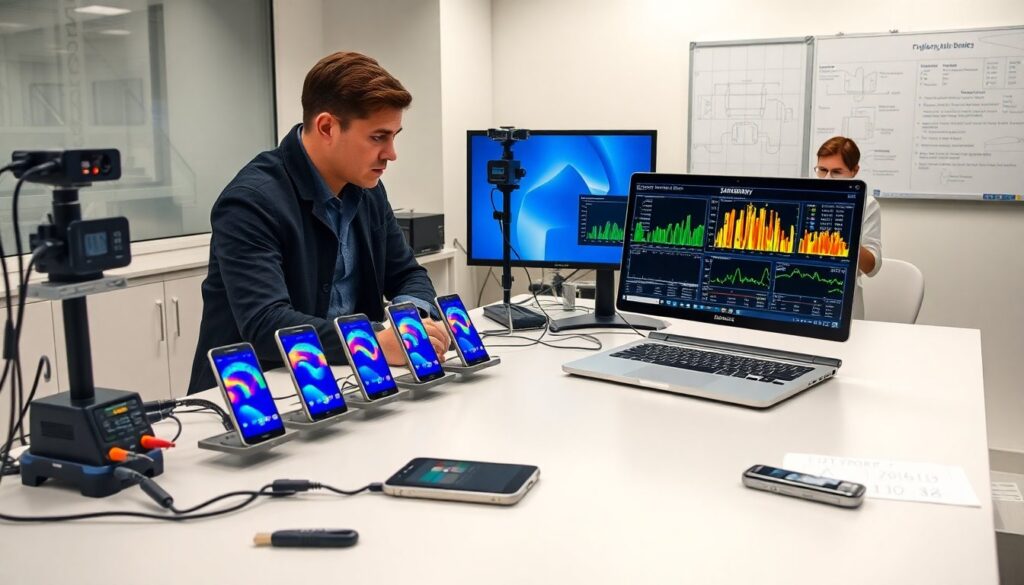
The testing team ran the streaming hardware comparison mobetoldkin across consistent scenes and sources. They recorded CPU load, GPU load, encoder latency, and dropped frames. They measured software encoding with OBS and hardware encoding with NVENC and AMF. They tested capture cards with 60 fps 1080p and 4K60 inputs. They recorded audio sync and USB peripheral stability. They scored systems on stability, cost per frame, and setup time. The team weighed ease of use higher for beginners. The team gave upgrade paths higher weight for long term value.
Best Budget Streaming Builds (Under $800)
This section lists budget options from the streaming hardware comparison mobetoldkin tests. The first recommended build pairs a midrange Ryzen CPU with a used GTX 1650 for $500 to $700. It handled 720p60 streams and low-impact game settings. The second option uses a newer entry Intel CPU and integrated graphics for $400 to $600. It worked for talk shows and single-camera streams. Both builds used simple USB microphones and a webcam. Both builds used software encoding at first and switched to hardware encoding when available. They used low-latency capture devices under $100. Each build included clear upgrade steps for better CPU, GPU, or capture cards.
Midrange To Prosumer Setups ($800–$2,000)
Midrange builds balanced cost and performance in the streaming hardware comparison mobetoldkin bench. A strong choice paired a Ryzen 7 CPU with an RTX 3060. That system handled 1080p120 capture and 1080p60 streaming with high quality. Another solid option paired an Intel i7 with an RTX 3070 for simultaneous game recording and streaming. These systems used NVENC for cleaner CPU budgets. They used 2.5 GbE or gigabit networking to reduce bitrate stalls. They added a hardware capture card for multi-console input. They added a dedicated audio interface for clear sound and sample-accurate sync.
High‑End Studio Rigs And Future‑Proofing
High-end systems led the streaming hardware comparison mobetoldkin rankings for quality and headroom. A top build used Ryzen 9 or Intel i9 with an RTX 4090. That setup handled multiple 4K60 captures and high-bitrate streams. It used dual NVENC encoders for simultaneous recording and live streaming. The studio rigs used dedicated capture appliances for hardware scaling. They used redundant storage and UPS for uptime. They used high-quality audio chains with multi-channel mixers. They planned for PCIe 5.0 cards and USB4 peripherals as future upgrades. They prioritized cooling and power delivery to avoid thermal throttling during long streams.
Quick Buying Checklist And Configuration Tips
This checklist condenses the streaming hardware comparison mobetoldkin advice into action items. Choose a CPU that supports needed encoder features. Choose a GPU with enough dedicated encoder heads. Choose a capture card with the right resolution and latency. Choose a microphone with a clean preamp and pick an audio interface with stable drivers. Choose wired networking over Wi‑Fi for live shows. Configure OBS or comparable software to use hardware encoders when possible. Set bitrate based on upload speed and platform limits. Test scenes end to end before a live show. Keep spare cables and a simple backup scene to recover from device failure.