
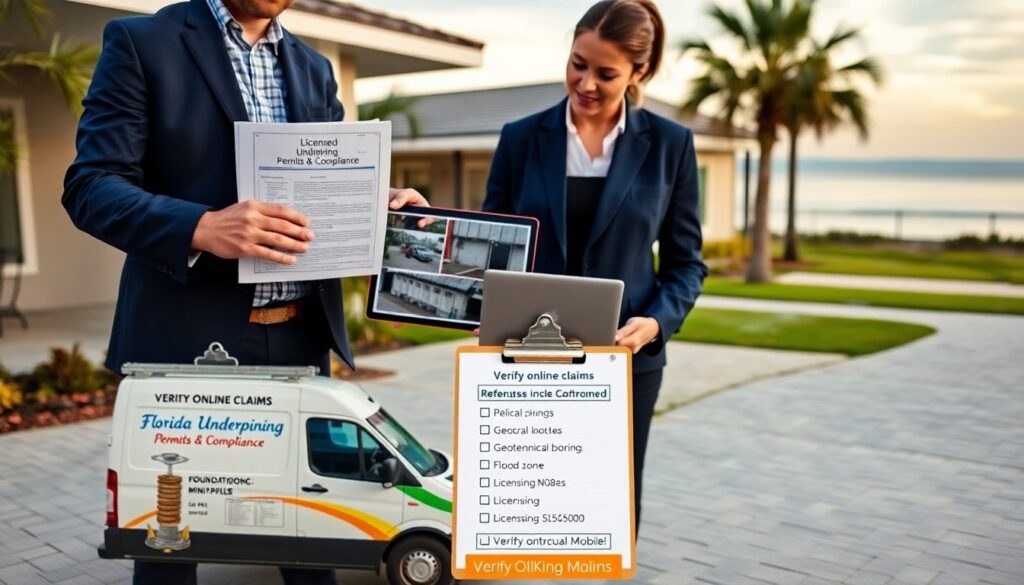
This guide covers florida underpinning intricacies legality oldbetkingmobile and explains what owners must know. It shows common signs that a foundation needs support. It lists permits and rules that apply in Florida. It outlines methods engineers use and the risks those methods carry. It shows how to check online claims and how to treat sources such as “OldBetKingMobile.” The tone stays factual and direct to help readers decide next steps.
Key Takeaways
- Underpinning in Florida involves adding support beneath foundations affected by soil issues, with signs like wall cracks and sticking doors indicating its need.
- Florida law mandates permits and engineer-approved plans for underpinning to ensure safety, avoid legal issues, and secure insurance and financing.
- Local codes vary; homeowners should obtain permit checklists and understand flood zone, coastal, and geotechnical requirements before starting work.
- Hiring licensed contractors with clear contracts and lien management protects homeowners from financial and legal risks during underpinning projects.
- Engineers select underpinning methods based on soil type, load, and site conditions, considering risks like over-excavation and corrosion to ensure long-term foundation stability.
- Verify underpinning claims from online sources like “OldBetKingMobile” by checking licenses, permits, and seeking professional opinions before proceeding.
What Is Underpinning In Florida? Purpose, When It’s Needed, And Typical Signs
Underpinning means adding support under an existing foundation. Engineers use underpinning when soil no longer holds the structure. In Florida, underpinning often responds to settlement, sinkholes, or sea-level effects. Owners notice cracks in walls, doors that stick, or gaps at window frames. Engineers confirm the problem with level surveys and soil reports. They then specify an underpinning plan and a timeline. Florida homeowners should watch for sudden tilting or repeated small repairs. Those signs often mean the foundation needs professional evaluation and a formal underpinning strategy.
Legal Requirements And Permits For Underpinning Projects In Florida
Florida law requires permits for structural foundation work in most jurisdictions. Local building departments enforce codes that protect safety and flood resilience. Owners must file plans that show the underpinning method and engineer stamps. Failure to obtain permits can create liability and resale problems. Contractors must follow the approved plans and keep inspections on schedule. Lenders and insurers often deny claims for unpermitted work. Homeowners should contact the local building office before hiring a crew. They should keep permit copies and inspection records for their files.
Permits, Building Codes, And Local Variances You Must Know
Counties and cities set different rules for underpinning projects. Flood zones add extra requirements for elevation and materials. Coastal communities require wind and corrosion protections. Some municipalities require geotechnical reports before issuing a permit. Inspection frequency and who may sign plans vary by county. Owners should request a permit checklist from the local office. They should also ask whether the project needs a variance or special coastal approvals. A clear permit path reduces delay and lowers the chance of stop-work orders.
Contractor Licensing, Contracts, Liability, And Mechanic’s Liens
Florida requires licensed contractors for structural foundation work in most cases. Owners must verify the license and check disciplinary history. Contracts should state scope, timetable, payment schedule, and cleanup terms. They should also state who holds liability insurance and worker coverage. Contractors can file a mechanic’s lien for unpaid work. Owners should avoid large cash payments and keep payment tied to inspections. They should record lien releases after final payment. Proper contracts and checks reduce financial and legal exposure.
Common Underpinning Methods, Risks, And How Engineers Choose A Strategy
Engineers choose underpinning methods based on load, soil, and access. Common methods include mass concrete pads, mini-piles, and helical piles. Mass concrete works for shallow issues and wide access. Piles suit deep weak soils or high water tables. Helical piles install fast in tight sites. Each method carries risks: over-excavation, settlement of adjacent areas, or corrosion in saline soils. Engineers weigh risks by running load tests and soil borings. They then produce a plan that balances cost, schedule, and long-term performance.
Soil Types, Flood Zones, Sea-Level Rise, And Other Site-Specific Concerns
Florida soils range from sandy coastal profiles to organic marsh deposits. Sandy soils drain but can shift under load. Organic soils compress and cause slow settlement. Flood zones and sea-level rise increase the water table and reduce pile capacity. Engineers use borings and groundwater monitoring to measure conditions. They design for future water levels when the site shows risk. They may specify corrosion-resistant materials and deeper piles. Site-specific tests reduce surprises and guide a safer design.
Verifying Online Claims And Handling Information From Sources Like “OldBetKingMobile”
Online claims about underpinning can mislead owners. Sites such as “OldBetKingMobile” may post quick fixes or sensational stories. Owners should check whether a claim cites an engineer, permit number, or inspection record. They should confirm professionals through state licensing boards. They should also read local building records and case files. Owners can get a second engineer opinion when a claim seems extreme. They should avoid hiring contractors based on ads alone. Good verification includes permit checks, license checks, and written proposals tied to inspection milestones.